Background
-
Between October 1, 2022 and March 31, 2023, the Canada Spam Reporting Centre (CAFC) received 176,706 complaints of online fraud. That’s just in 181 days.
-
There were 7908 victims of fraud till date in 2024 and 42,000 in 2023.
-
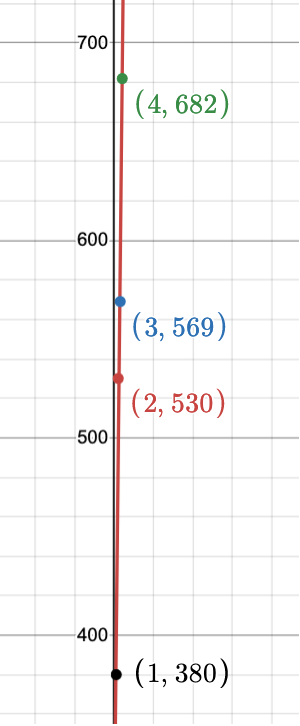
$124M has been lost to fraud till now in 2024. Last year, there was $569M lost. In 2022, $530M lost and in 2021, this number was $380M.
-
However, the CAFC Fraud Reporting System reports that only 5 - 10% of total spam is reported.
-
That means there is more than 1M complaints in those 181 days.
-
Using these data and some elementary statistics, I was able to create a model that will predict the amount of money lost to spam in 2024. Fitting the data, we obtain an equation of
Dollars = 94.5 (years) + 304. That means, in 2024, we will lose approximately $682M to online fraud and spam.
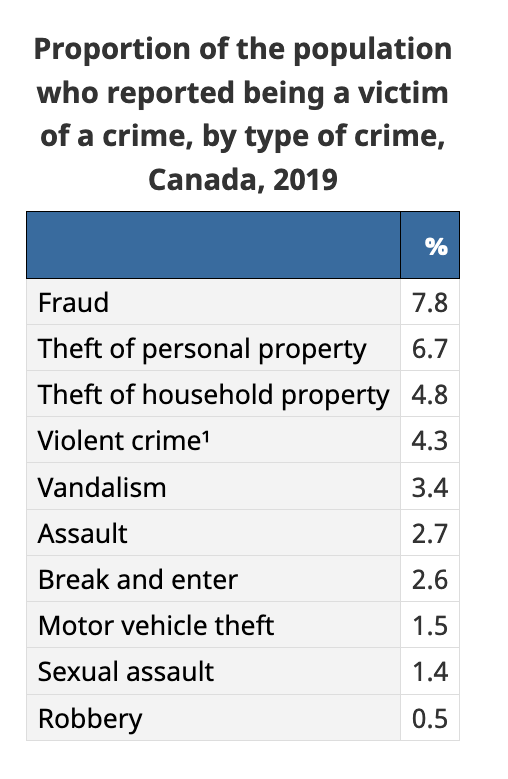
- In addition, the percentage of fraud is higher than robbery, sexual assault, and motor theft combined.
-
The Government of Canada appears to be trying really hard to fight this problem. The Competition Bureau of Canada has published a 36 document that outlines nearly 14 different types of scams and fraudulent advertising.
-
The Canadian Radio Television and Telecommunications commission (CRTC) says that over 66% of complaints they received related to phishing scams and over 48% didn’t consent to receiving these sorts of text and mails.

-
This type of non-opt-out scam is referred to as Mass Marketing Fraud by the Financial Consumer Agency.
-
This is what the CAFC has to say about the penetration of fraud into society:
Fraud is becoming more personal - The CAFC received many reports of fraudsters and cybercriminals openly threatening victims, and using explicit content and personal information to extort victims.
Fraud is targeting every demographic!
With Canadians posting more information on social media sites and [having a greater digital footprint, it is easier to create] believable fraud attempts.
-
These points clearly illustrate that online fraud is becoming much more prevalent in society compared to 10 years ago.
-
Since the Government keeps rolling out new programs to combat this, I wanted to know what exactly they have done and how much it helps.
Inquiry question
-
Broad version: To what extent has fraud infiltrated Canadian society?
-
Specific version: To what extent has online fraud infiltrated Canadian society? What are the laws and policies put into place to combat this?